
Cryogenic Ball Valve RFQ Checklist: What Buyers Should Confirm Before Quotation
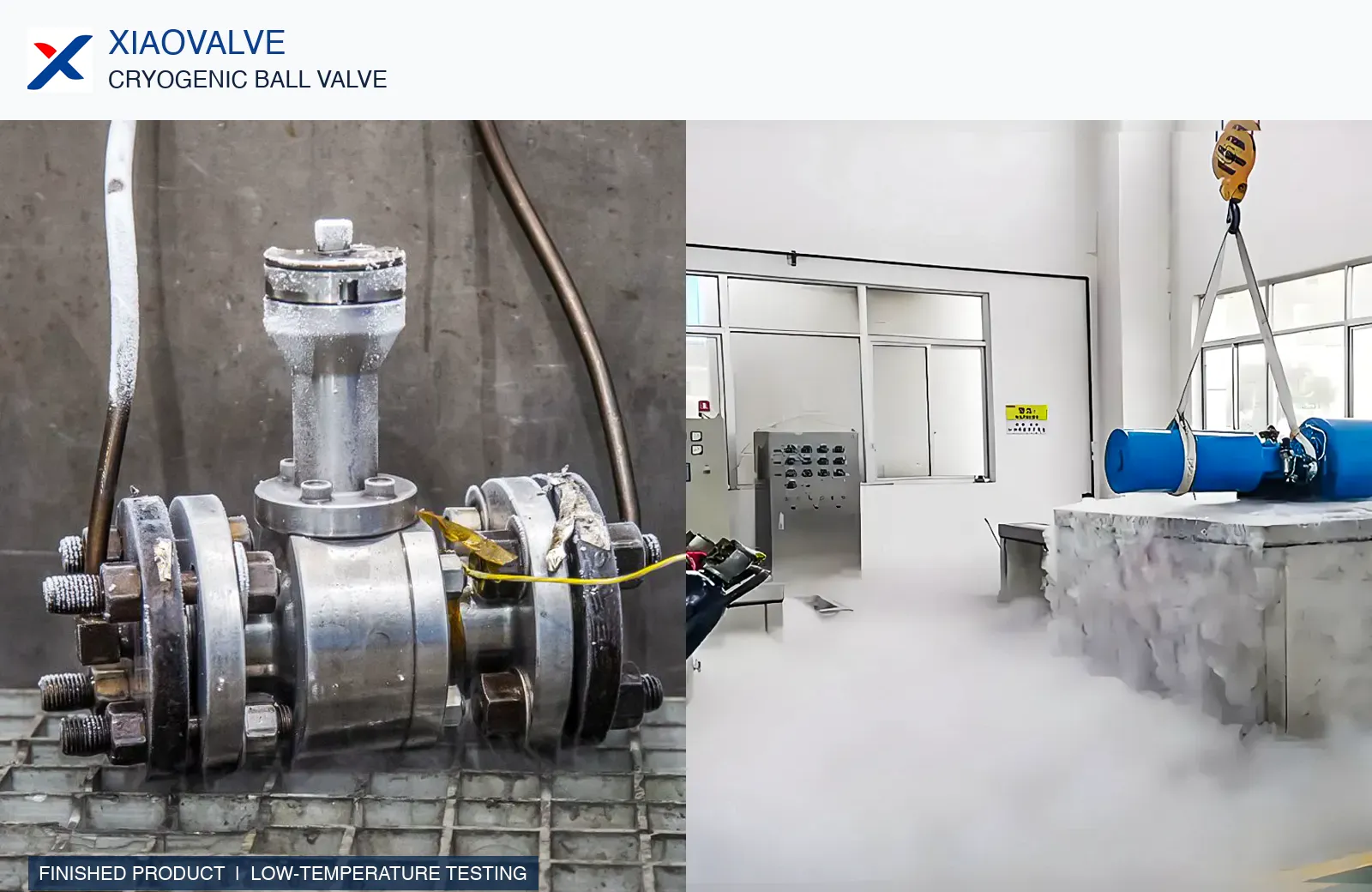
A cryogenic ball valve quotation cannot be compared accurately from size and pressure class alone. Low-temperature service affects the valve body, seat materials, stem arrangement, testing plan, insulation clearance and documentation package.
For buyers preparing an RFQ, the checklist below helps suppliers understand the operating conditions and return a more useful quotation. It also reduces the risk of comparing technically different valves under the same line item.
1. Confirm the Actual Design Temperature
State the normal operating temperature, minimum design temperature and any expected start-up or shutdown condition. “Cryogenic” is not a complete specification by itself. The supplier needs the temperature range and the process medium to review a suitable design.
2. Identify the Process Medium and Phase
Include the medium, phase and cleanliness requirements. Liquefied gases, cold hydrocarbons and other low-temperature services may require different material, sealing and cleaning considerations. If the line can contain vapour and liquid during different operating stages, include that information in the RFQ.
3. Specify Size, Pressure and End Connection
List the nominal size, pressure class or design pressure, pipe schedule where relevant, and connection type. Flanged, butt-weld and other end connections can affect the valve envelope, installation clearance and delivery scope.
4. Ask About Materials and Low-Temperature Compatibility
Request the proposed body, trim, ball, stem, seat and seal materials. The quotation should make clear which materials are included in the base price and which are optional. If the project has an approved material list, attach it to the RFQ instead of relying on a general “stainless steel” description.
5. Check the Stem Extension and Insulation Arrangement
Cryogenic ball valves commonly use an extended bonnet or stem arrangement so the operator and stem seals remain away from the cold zone. Confirm the extension length, orientation, operator type and the space required for insulation and maintenance.
6. Define Testing and Documentation Requirements
Before quotation, state the required pressure test, seat leakage acceptance, low-temperature or special test requirements, inspection hold points and document list. Also clarify whether drawings, material certificates, test reports, packing records and nameplate details are required with the shipment.
7. Include Quantity, Destination and Schedule
Provide the quantity, destination country, requested quotation date and target delivery date. For export orders, packaging, marking and document requirements can affect both the commercial offer and the lead time.
Recommended RFQ Information
- Valve type and nominal size
- Design pressure and minimum design temperature
- Process medium and operating phase
- Body, trim, seat and seal material requirements
- End connection and face-to-face requirement
- Stem extension, operator and insulation arrangement
- Testing, inspection and documentation scope
- Quantity, destination and delivery deadline
Talk to XIAOVALVE About Your Cryogenic Ball Valve Requirement
XIAOVALVE’s cryogenic ball valve product page provides a starting point for technical review. For a quotation, send the operating conditions, valve size, pressure, temperature, material requirements and destination through the XIAOVALVE contact page.
For broader sourcing support, see the industrial ball valve supplier page.
Recent Comments